
ΓΙΑ ΝΑ ΣΥΝΕΧΙΣΕΤΕ, ΕΠΙΒΕΒΑΙΩΣΕΤΕ ΟΤΙ ΕΙΣΤΕ 18+ ΕΤΩΝ
Upozorňujeme, že nabízené produkty jsou v naší zemi legální.
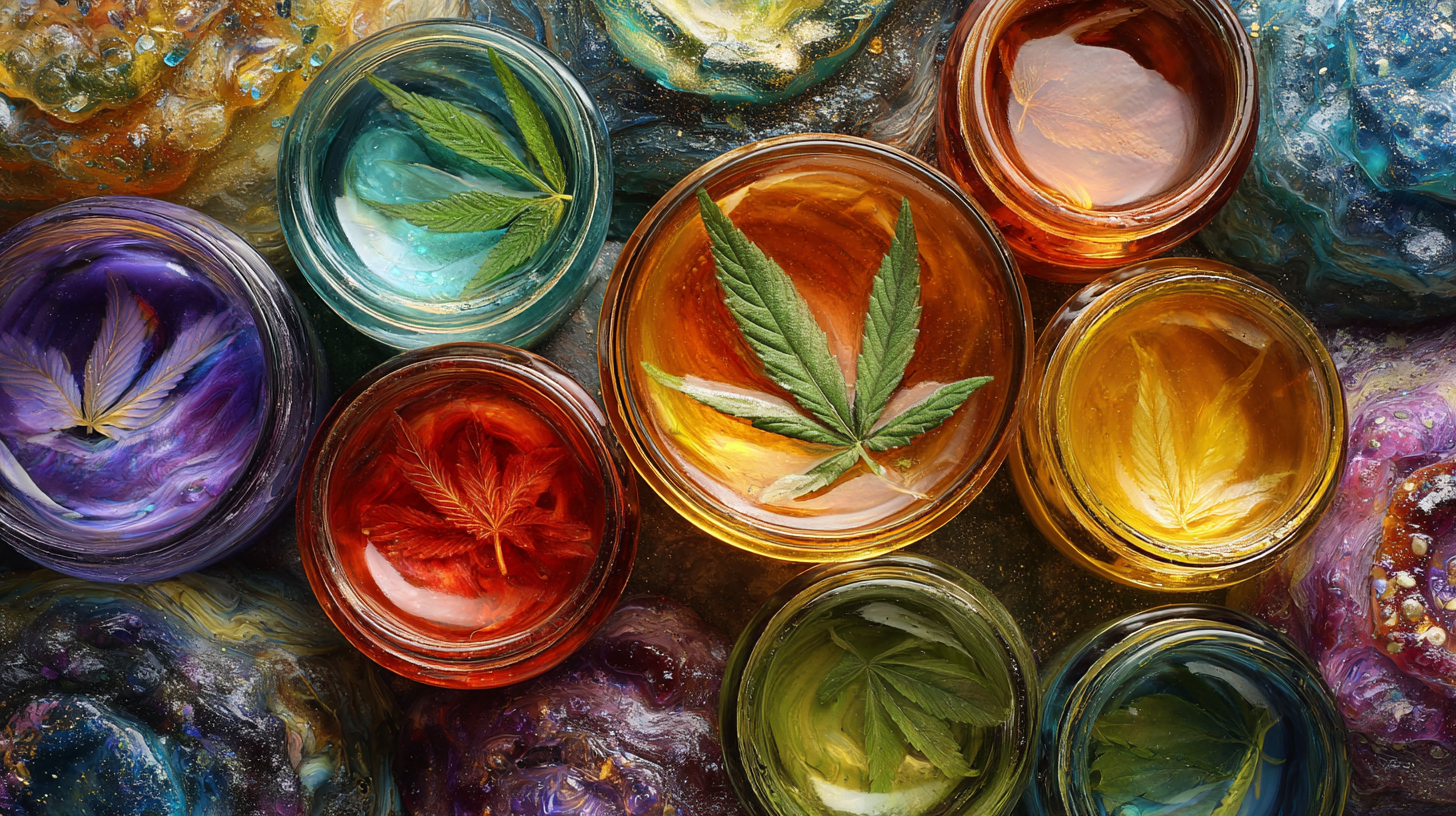
When people hear the word cannabis, most immediately picture a classic joint. But in recent years, the ways of consuming cannabis have expanded and modernized dramatically. Technology, medical research, and the creativity...
When people hear the word cannabis, most immediately picture a classic joint. But in recent years, the ways of consuming cannabis have expanded and modernized dramatically. Technology, medical research, and the creativity of producers have brought dozens of new options for enjoying the effects of cannabis—whether for recreational or therapeutic purposes.
Let’s take a closer look at four of the most popular forms—vaporizers, edibles, tinctures, and oils—and see their advantages, disadvantages, and who they’re most suitable for.
Vaporizers work by heating the herb or cannabis extract to a temperature where active compounds are released, without burning.
Advantages:
Gentler on the lungs compared to smoking—no carcinogens from burning paper or tobacco.
Fast onset of effects—similar to smoking.
Precise control of temperature, which influences the effect (higher temps = more THC, lower temps = more terpenes and flavor).
Disadvantages:
Higher initial cost for quality vaporizers.
Requires cleaning and maintenance.
Who is it for?
For those who want fast effects, clean flavor, and a healthier alternative to smoking.
Edibles include any food infused with cannabinoids—most commonly cookies, chocolates, gummies, or drinks. The compounds are absorbed through the digestive tract, which changes how they act.
Advantages:
Discreet—no smoke or smell.
Long-lasting effects (up to 6–8 hours).
Wide variety of flavors and formats.
Disadvantages:
Delayed onset (30–90 minutes).
Harder to dose correctly—risk of overconsumption.
Who is it for?
Perfect for those who prefer stronger, longer-lasting effects and don’t need immediate onset. Popular with people who don’t want to inhale cannabis.
Tinctures are liquid extracts taken by dropping under the tongue or adding to drinks. Thanks to sublingual absorption, cannabinoids enter the bloodstream more quickly.
Advantages:
Faster onset than edibles (15–30 minutes).
Easy, precise dosing with a dropper.
Discreet and convenient to use.
Disadvantages:
Taste can be unpleasant for some (bitter, herbal).
Shorter effect duration compared to edibles.
Who is it for?
For people who want full control over dosing and appreciate the convenience of drops on the go. Often used in medical cannabis applications.
CBD or THC oils are among the most common cannabis products. They are made by mixing extract with a carrier oil (e.g., hemp seed or MCT oil).
Advantages:
Simple use—drops under the tongue, into food, or into drinks.
Available in various strengths.
Popular for daily supplementation.
Disadvantages:
Strong taste that not everyone likes.
Slower onset (30–60 minutes).
Who is it for?
For those who want to incorporate cannabis into their daily routine—whether for relaxation, sleep, or as a dietary supplement.
Cannabis is no longer just about smoking joints. Each form of consumption has its place, depending on what you’re looking for from the experience. Vaporizers offer speed and purity, edibles deliver intensity and long-lasting effects, tinctures provide precise dosing, and oils bring convenience to everyday use.
If you’re new to cannabis, always follow the golden rule: start low and go slow. Everyone reacts differently, and over time you’ll discover the method that works best for you.