PARA CONTINUAR, CONFIRMA QUE TIENES 18+ AÑOS
Upozorňujeme, že nabízené produkty jsou v naší zemi legální.
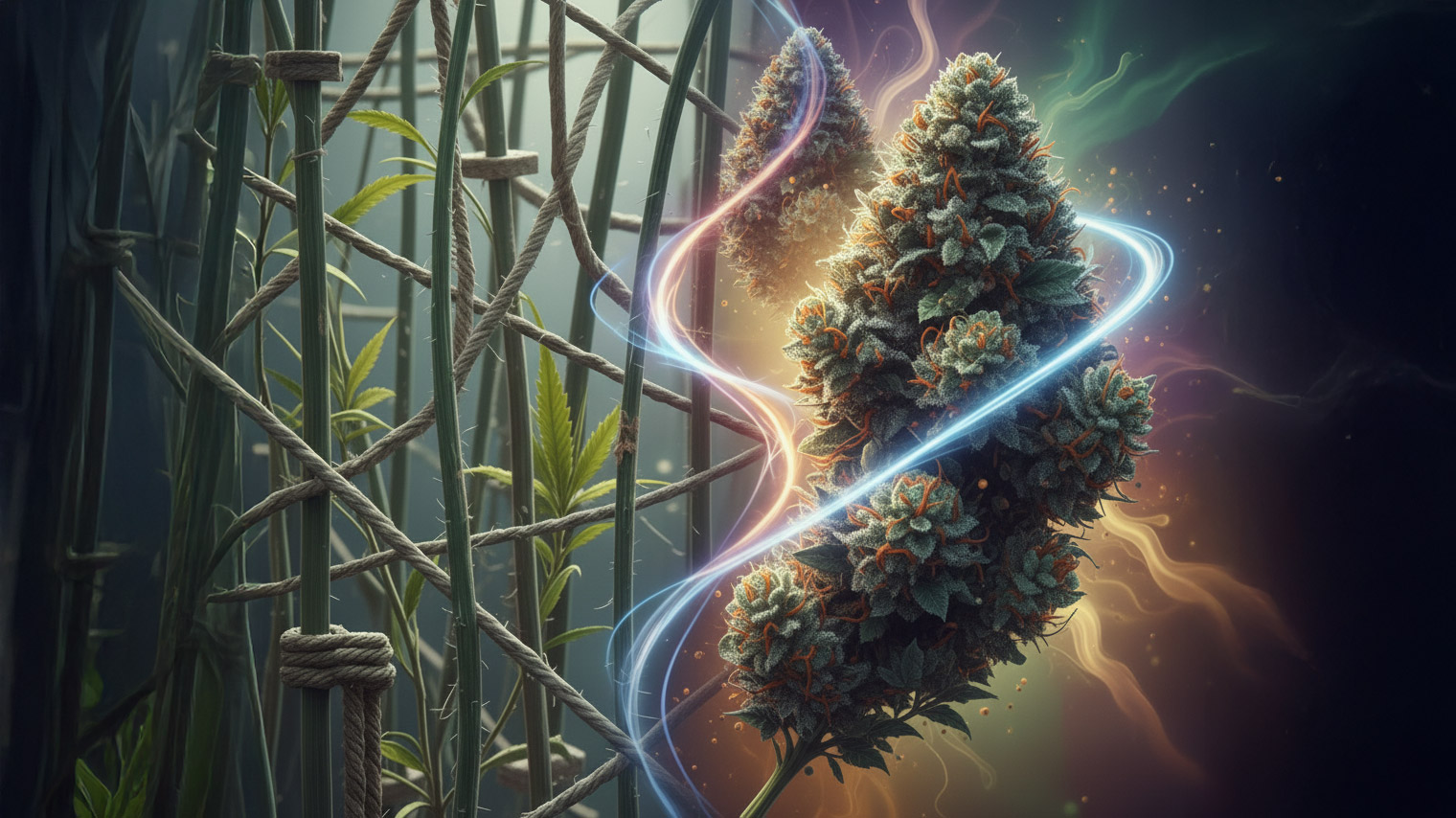
Cannabis is one plant with many faces. While some varieties are cultivated for textiles, food, and eco-friendly products, others are grown for their therapeutic effects and use in modern medicine. The distinction between industrial hemp and medical cannabis is crucial for consumers, businesses, and regulators alike.
Cannabis is one plant with many faces. While some varieties are cultivated for textiles, food, and eco-friendly products, others are grown for their therapeutic effects and use in modern medicine. The distinction between industrial hemp and medical cannabis is crucial for consumers, businesses, and regulators alike.
Same Plant, Different Purpose
Both hemp and medical cannabis belong to the species Cannabis sativa L. What differentiates them is not the plant itself, but how it is cultivated, processed, and ultimately used.
Industrial hemp is bred to have minimal psychoactive compounds and is valued for its fibers, seeds, and oil.
Medical cannabis is bred for its cannabinoid profile, focusing on compounds like THC and CBD, which have direct effects on the human body.
THC Content – The Legal Divider
The most common legal difference lies in the amount of tetrahydrocannabinol (THC), the psychoactive compound responsible for the “high” associated with cannabis.
Industrial hemp typically contains 0.2–0.3% THC or less, depending on national regulations.
Medical cannabis can contain significantly higher levels of THC, often ranging from 5% to over 20%, depending on the strain and intended therapeutic use.
This distinction makes hemp non-intoxicating and suitable for large-scale agricultural production, while medical cannabis is strictly regulated and often requires a prescription.
Uses of Industrial Hemp
Industrial hemp is a versatile plant with a history stretching back thousands of years. Today, it is making a comeback thanks to sustainability trends and demand for natural products.
Key uses include:
Textiles: Clothing, ropes, and eco-friendly fabrics.
Paper and bioplastics: Sustainable alternatives to wood and petroleum-based materials.
Construction: Hempcrete (a lightweight, insulating material).
Food and nutrition: Hemp seeds, protein powders, and hemp oil rich in omega fatty acids.
Cosmetics: Natural skincare products enriched with hemp seed oil.
Industrial hemp is often celebrated as a “green crop,” requiring fewer pesticides and enriching soil health.
Uses of Medical Cannabis
Medical cannabis focuses on the plant’s therapeutic compounds, especially cannabinoids (like THC, CBD, CBG, and more) and terpenes, which contribute to both aroma and potential medical effects.
Common uses include:
Pain management – especially for chronic or neuropathic pain.
Reducing nausea and improving appetite in patients undergoing chemotherapy.
Neurological conditions – such as epilepsy, multiple sclerosis, or Parkinson’s disease.
Mental health support – including anxiety, PTSD, and sleep disorders (depending on formulation).
Anti-inflammatory properties, making it a candidate for autoimmune diseases.
Unlike hemp, medical cannabis requires strict quality control, standardized dosing, and in many countries is only available through pharmacies or specialized clinics.
Cultivation and Regulation
Hemp cultivation: Grown outdoors on large fields, optimized for stalks and seeds. Plants are tall, with limited branching.
Medical cannabis cultivation: Usually grown indoors or in greenhouses under controlled conditions. Plants are shorter, bushier, and optimized for flowers rich in cannabinoids.
Regulations differ significantly:
Hemp is legally grown in many countries as an agricultural crop.
Medical cannabis cultivation requires licenses, government oversight, and strict testing for potency, purity, and safety.
Why the Distinction Matters
For consumers, understanding the difference helps avoid confusion between hemp-derived CBD products and prescription-based medical cannabis. For policymakers and businesses, the distinction ensures that industries are regulated appropriately without stifling innovation.
At its core, both plants highlight the incredible versatility of cannabis: one side rooted in sustainability and industry, the other in healthcare and wellness.